
how to choose a mirror for bathroom
In the world of manufacturing and engineering, precision is non-negotiable—especially when it comes to threads, which are critical components in machinery, construction, and everyday products. Ensuring threads meet exact specifications requires specialized tools, and thread plug gauge , internal thread gauge , and screw thread gauge stand out as indispensable for this task. These gauges verify thread dimensions, pitch, and fit, ensuring compatibility and functionality in assembled parts. In this guide, we’ll explore their roles, features, and best practices, drawing on industry insights to highlight their importance in maintaining quality and reliability in manufacturing. The Role of Thread Plug Gauge in Ensuring Internal Thread Accuracy Thread plug gauge is a fundamental tool in thread inspection, designed specifically to verify the accuracy of internal threads (threads inside a hole or nut). Crafted from high-hardness materials like tool steel or carbide, these gauges are engineered to withstand repeated use while maintaining precise dimensions—critical for consistent quality control. At its core, a thread plug gauge works by checking two key parameters: size and pitch. The gauge features a threaded shaft with two ends: a “go” end and a “no-go” end. The “go” end is designed to fit smoothly into a correctly sized internal thread, confirming that the thread is not too small. The “no-go” end, slightly larger, should not fit into the thread, ensuring the thread is not too large. This dual-end design provides a quick, reliable way to assess if threads meet tolerance standards, eliminating the need for complex measurements. Thread plug gauge is essential in industries like automotive, aerospace, and manufacturing, where even minor thread discrepancies can lead to part failure or assembly issues. Its ability to provide instant feedback streamlines quality control processes, reducing production delays and ensuring that only properly threaded parts move forward in the manufacturing pipeline. How Internal Thread Gauge Specializes in Internal Thread Verification While thread plug gauge is a type of internal thread tool, internal thread gauge is a broader category encompassing tools dedicated to inspecting internal threads across various applications. These gauges are tailored to the unique challenges of measuring threads inside holes, where external access is limited and precision is paramount. Internal thread gauge tools, including thread plug gauges, are designed to match specific thread standards (such as metric or imperial) and pitches, ensuring compatibility with the parts being inspected. Unlike external thread gauges, which check threads on bolts or screws, internal thread gauge tools must navigate the confined space of a hole, requiring a slender, durable design that does not distort the thread during inspection. One of the key advantages of internal thread gauge is its ability to detect irregularities like incomplete threads, burrs, or incorrect pitch spacing. By identifying these issues early, manufacturers can correct defects before parts are assembled, preventing costly rework or product failures. Whether used in manual inspections or integrated into automated quality control systems, internal thread gauge tools are vital for maintaining the integrity of internal threads in critical components. The Versatility of Screw Thread Gauge in Thread Quality Assurance Screw thread gauge is a versatile tool category that includes both internal and external thread inspection tools, making it a cornerstone of thread quality assurance across industries. These gauges verify that screw threads (whether on bolts, screws, nuts, or holes) meet design specifications, ensuring proper fit and functionality in assembled products. Screw thread gauge tools come in various forms, from simple plug gauges for internal threads to ring gauges for external threads, but all share the same goal: to confirm thread accuracy. What sets them apart is their adaptability to different thread types, including straight, tapered, coarse, or fine threads. This versatility makes screw thread gauge indispensable in settings where multiple thread standards are used, such as general manufacturing or repair shops. Beyond basic size checks, screw thread gauge can also assess thread form—ensuring that the thread’s profile (angle, depth, and shape) matches design requirements. This is critical because even a thread of the correct size can fail if its form is irregular, leading to weak connections or assembly difficulties. By providing comprehensive thread verification, screw thread gauge tools play a key role in upholding product reliability and safety. Key Features to Consider When Choosing Thread Plug Gauge, Internal Thread Gauge, and Screw Thread Gauge Selecting the right thread gauge depends on understanding their key features, which directly impact performance and accuracy. Below is a comparison of essential features for thread plug gauge , internal thread gauge , and screw thread gauge : Gauge Type Primary Material Key Design Features Primary Application Thread Plug Gauge Tool Steel or Carbide Dual “go/no-go” ends, precise thread pitch, corrosion resistance Inspecting internal threads in nuts, holes, or tapped parts. Internal Thread Gauge High-Hardness Alloys Slim profile, compatibility with specific thread standards Verifying internal thread size, pitch, and form. Screw Thread Gauge Wear-Resistant Steel Versatile thread profiles (metric/imperial), durable construction General thread inspection for screws, bolts, nuts, and holes. Other critical features include calibration certification (ensuring traceability to standards), surface finish (to prevent thread damage during inspection), and ergonomic design (for ease of use in manual inspections). Choosing a gauge with these features ensures reliable, long-lasting performance in demanding manufacturing environments. FAQS a bout Thread Plug Gauge, Internal Thread Gauge, and Screw Thread Gauge How does a thread plug gauge differ from other thread inspection tools? A thread plug gauge is specifically designed for internal threads, using “go/no-go” ends to quickly verify size and pitch. Unlike calipers or micrometers, which measure dimensions numerically, it provides a pass/fail assessment, making it faster for high-volume inspections. Its dedicated design for internal threads sets it apart from external thread tools like ring gauges. When should I use an internal thread gauge instead of a general measuring tool? Use an internal thread gauge when inspecting internal threads (e.g., in nuts or holes) where precision is critical. General tools like calipers struggle to accurately measure thread pitch or form in confined spaces, while internal thread gauge is engineered to match thread profiles, ensuring that threads fit properly with their mating parts (e.g., bolts or screws). What makes a screw thread gauge essential for automotive manufacturing? Screw thread gauge is essential in automotive manufacturing because it ensures that threads in critical components (e.g., engine parts, fasteners) meet strict standards. Properly threaded parts prevent leaks, reduce vibration, and ensure structural integrity—all vital for vehicle safety and performance. Its ability to verify both internal and external threads streamlines quality control in high-volume production. How often should a thread plug gauge be calibrated to maintain accuracy? A thread plug gauge should be calibrated regularly, typically every 6–12 months, depending on usage frequency and operating conditions. Calibration ensures that the gauge’s “go” and “no-go” ends remain within tolerance, preventing false pass/fail results. Heavy use or exposure to harsh environments may require more frequent calibration to maintain reliability. Can a screw thread gauge inspect both metric and imperial threads? Yes, many screw thread gauge sets include options for both metric and imperial threads, with different models calibrated to specific standards.It’s important to select the correct gauge for the thread type being inspected, as mixing standards can lead to inaccurate results and poor part fit. Whether you’re in automotive, aerospace, or general manufacturing, our team of experts can help you select the right gauge for your specific thread standards and inspection needs. Visit our website to explore our full range, from standard gauges to custom solutions, and learn how our tools can enhance your quality control processes.
about
how to choose a mirror for bathroom
Understanding Optical Composite Image Level In the realm of digital imaging and remote sensing, the term optical composite image level refers to a sophisticated technique used to enhance the visual representation of various features on the Earth's surface. This approach is particularly valuable in interpreting landscapes, monitoring environmental changes, and conducting detailed geographic studies. By combining multiple optical images, researchers can create composite images that provide a richer, more informative view than any single image could offer. What is an Optical Composite Image? An optical composite image is generated by merging several images captured at different wavelengths of light. These wavelengths often encompass the visible spectrum as well as near-infrared and shortwave infrared bands. The integration of these different wavelengths allows for the accentuation of particular features and attributes of the landscape, such as vegetation health, water bodies, and built environments. For instance, in a typical optical composite image made from satellite data, the use of the near-infrared band can significantly enhance vegetation visibility. Healthy plants reflect more infrared light compared to barren land. This differential reflection can be visually represented, allowing for the identification of vegetation patterns and health across large areas. Levels of Optical Composite Imagery Optical composite images can be categorized into various levels based on their processing and intended use. The primary levels include 1. Level 1 (L1) This is the initial stage where raw data from satellite or aerial sources is processed to correct geometric and radiometric distortions. The images produced at this level may still have limitations regarding visual clarity and interpretability. 2. Level 2 (L2) At this level, additional processing is applied, typically involving atmospheric correction to enhance image quality. This level is crucial for accurately representing surface reflectance, allowing for more detailed analysis. 3. Level 3 (L3) Level 3 optical composite images are often multi-temporal or multi-spectral composites that integrate data over specific periods or use various spectral bands . This level is especially useful for conducting time-series analyses and monitoring changes in land use, vegetation, and urban development. optical composite image level 4. Level 4 (L4) This level may involve advanced algorithms and machine learning techniques to extract meaningful insights from the data. It often provides categorized outputs, such as land-use classifications or predictions concerning environmental shifts. Applications of Optical Composite Images The applications of optical composite images are numerous and span various fields - Environmental Monitoring Researchers utilize optical composite images to observe changes in land cover, deforestation, and the health of ecosystems. For example, tracking the health of coral reefs or the dynamics of wetlands can significantly impact conservation efforts. - Urban Planning City planners use these images to analyze urban sprawl and develop strategies for sustainable growth. By visualizing land use over time, they can make informed decisions to improve infrastructure and livability. - Disaster Management In the event of natural disasters such as floods or wildfires, optical composite images can help in assessing damage and planning recovery efforts. They provide essential situational awareness for emergency responders. - Agricultural Monitoring Farmers and agronomists analyze these images for monitoring crop health, irrigation efficiency, and yield predictions. The capacity to visualize plant stress and growth conditions aids in precision agriculture practices. Challenges and Future Directions While optical composite images are incredibly valuable, they are not without challenges. Issues such as cloud cover, sensor limitations, and data processing requirements can complicate their use. Nonetheless, advancements in drone technology, artificial intelligence, and satellite capabilities continue to enhance the quality and accessibility of optical composite imagery. As the demand for geospatial data rapidly grows, researchers are likely to develop more sophisticated algorithms and novel ways to integrate multi-source data for improved visualization. The future of optical composite images promises expanded applications, personalized insights, and a deeper understanding of our planet’s dynamic systems. Through continued innovation, optical composite images will remain a cornerstone in addressing global challenges and fostering sustainable development.
-

High quality industrial productsagement

High quality industrial products
View Details -

Meet the diverse needs of customers

Meet the diverse needs of customers
View Details -

Strict quality control

Strict quality control
View Details -

Top raw materials

Top raw materials
View Details -

Trusted supplier

Trusted supplier
View Details
Our application


news and information
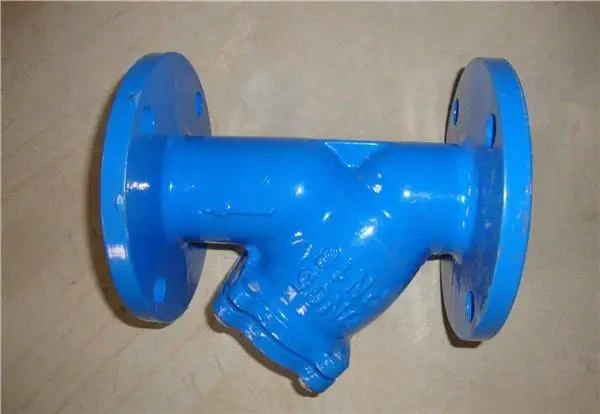
water gate valve
The water globe valve is a pivotal component in fluid control systems, lauded for its versatility, p

Versatile and Durable Galvanized Strut Pipe Clamps for Secure Industrial Applications and Constructi
The Importance of Galvanized Strut Pipe Clamps in Construction and Infrastructure In the world of co
Van cửa cổng hình vuông và ứng dụng của nó trong công nghiệp
Cửa van chặn hình vuông Giải pháp hiệu quả cho ngành công nghiệp Cửa van chặn hình vuông là một tron
 English